
Here’s something nobody tells you at the adoption event: the food your rescue has been eating is probably the cheapest kibble the shelter could buy in bulk. And that’s okay — shelters run on donations and do the best they can. But it means your new best friend is likely arriving with a dull coat, a stressed-out stomach, and energy levels that don’t match the dog (or cat) hiding underneath.
The good news? Food is one of the fastest, most visible wins of the first 30 days. Within weeks of upgrading to fresh, natural food, most adopters report the same three things: firmer stools, a shinier coat, and a dog with actual zoomies instead of couch-potato lethargy.
This is the honest guide to upgrading your rescue’s diet — what “fresh food” really means, how to switch without triggering a tummy disaster, and the brand I’d point my own friends toward.
A quick note before we start: This post contains affiliate links (#ad). If you buy through them, I earn a commission at no extra cost to you — it keeps the rescue guides free. I only recommend what I’d genuinely suggest to a friend adopting a rescue.
Why Rescue Tummies Are Different
A dog who’s been in a shelter for weeks or months isn’t starting from the same place as a puppy from a breeder. Here’s what’s usually going on in that belly:
- Stress wrecks digestion. Shelters are loud, unpredictable, and scary. Stress hormones directly affect the gut — that’s why so many newly adopted dogs have soft stools, gas, or vomiting in the first week even when nothing is medically wrong.
- The food keeps changing. Shelter A fed one donated kibble, the transport fed another, and now you have a third bag. Every abrupt switch irritates the digestive tract. Your rescue’s stomach is tired.
- Parasites and treatment. Most rescues get dewormed around adoption, which is great — and also temporarily disruptive to the gut.
- Anxiety eating (or not eating). Some rescues inhale food like it might vanish (an old survival habit). Others won’t touch a bowl for two days. Both are normal. Neither is helped by low-quality filler-heavy kibble.
This is exactly why “what should I feed my rescue?” is one of the most searched questions new adopters ask. The answer matters more for rescues than for almost any other dog.
What “Fresh” or “Natural” Food Actually Means
- Minimally processed. Traditional kibble is ground, cooked at extreme heat, and extruded — a process that destroys many of the natural vitamins, enzymes, and omega fatty acids. Fresh or gently-prepared foods skip most of that.
- Real ingredients you recognize. Meat, organs, vegetables, healthy fats — not “meat by-product meal,” corn gluten, and a paragraph of chemical-sounding additives.
- No fillers. Cheap carbs (corn, wheat, soy) bulk up kibble but do almost nothing for your dog.
- A quick honest word on raw: DIY raw carries real risks — the AVMA, FDA, and CDC all caution that raw meat can harbor salmonella and E. coli, and unbalanced homemade raw diets can cause nutrient deficiencies. If raw interests you, talk to your vet first and consider commercially prepared options that follow safety standards. Fresh and gently-cooked foods give you most of the benefit with far less risk.
6 Signs Your Rescue’s Current Food Isn’t Working
- A dull, flaky coat. The coat is the first place nutrition shows up — and the first place it disappears.
- Constant itching or ear gunk. Food sensitivities commonly show up as itchy skin and yeasty ears.
- Soft stools or cannon-butt gas. If it persists past the decompression period, the food is a prime suspect.
- Low energy. A healthy young rescue should have bursts of playfulness.
- Eating grass or poop. Sometimes the dog is desperately seeking nutrients missing from their diet.
- They won’t eat it. Rescues who turn up their noses at bargain kibble but inhale real food are telling you something.
If you’re seeing two or more of these, an upgrade isn’t a luxury — it’s one of the kindest things you can do in the first month.
How to Transition Without the Tummy Disaster (Tie It to 3-3-3)
Don’t change the food in the first 3 days. Remember the 3-3-3 rule: the first 3 days are for decompressing, not overhauling. Keep feeding whatever the shelter sent home while your rescue learns that your house is safe. One change at a time.
Then transition over 7–10 days:
- Days 1–3: 75% old food, 25% new food
- Days 4–6: 50/50
- Days 7–9: 25% old, 75% new
- Day 10+: 100% new food
For rescues with truly sensitive stomachs, stretch it to two full weeks. If stools get loose at any stage, pause — go back to the previous ratio for a couple of days.
Start with a single protein. Chicken or turkey is the gentlest entry point for most dogs.
The Pick: Why I’d Point You to Raw Paws Pet Food
When friends ask me what to actually buy, I look for three things: real ingredients, minimal processing, and a company that makes it easy to feed both meals and treats well. Raw Paws Pet Food checks all three — fresh, all-natural food made with ingredients you’d recognize, plus a full line of natural treats.
#ad As a Raw Paws affiliate, I earn from qualifying purchases — which is exactly why I only recommend them: I’d rather earn a commission on food I believe in than push whatever pays.
What I like for rescues specifically:
- Gentle on transition stomachs. Clean ingredient lists with no filler junk means fewer mystery ingredients to trigger a sensitive rescue gut.
- Dogs actually want to eat it. Rescues who’ve been free-fed dusty kibble for months tend to dive into fresh food, which makes the transition week dramatically easier.
- It covers cats too. If you adopted a rescue cat (or you’re a multi-species household like so many of us), you’re not hunting for a second brand.
Start here: browse the fresh food options at Raw Paws Pet Food and pick a single-protein recipe to begin your transition. #ad
Don’t Forget the Treats (You’ll Use More Than You Think)
Training a rescue means treating. A lot. Sit, down, leave it, crate training, recall — a new rescue can easily earn 20–30 treats a day in the first month.
If those treats are sugary, dye-loaded junk, you’re undoing good work with every rep.
Raw Paws all-natural treats are made for exactly this — simple, natural ingredients you can feel good about handing over thirty times a day. #ad I earn a commission on qualifying purchases.
And for power chewers, Raw Paws natural dog chews keep busy jaws happy between training sessions. #ad
Pro tip: break treats into pea-sized pieces. Your rescue cares about frequency, not size — one bag lasts twice as long.
What to Actually Expect: The Timeline
Days 1–7: Stools get smaller and firmer. Gas usually drops noticeably.
Weeks 2–4: The coat starts to change. Less flaking, more shine, softer feel.
Months 2–3: The full transformation window — and notice how it lines up with the “3 months to feel home” part of the 3-3-3 rule. Energy stabilizes, weight normalizes.
Take a photo on gotcha day and another at 90 days. The side-by-side will make you cry. Fair warning.
The Honest Caveats
- Food isn’t a vet. Persistent vomiting, bloody stool, or not eating for 48+ hours = vet visit, not a food switch.
- It’s not magic. Fresh food won’t fix separation anxiety or leash reactivity. It fixes nutrition. That’s a lot — but it’s not everything.
- Budget is real. If the full switch strains your budget, do a hybrid: quality kibble as the base with fresh food as a topper. Even replacing 25% of the bowl makes a visible difference.
- Every dog is an individual. The “best” food is the one YOUR rescue thrives on.
Quick Answers
Is fresh food safe for rescue cats too? Yes — cats are obligate carnivores, so meat-forward fresh food suits them beautifully. Transition cats even more slowly than dogs.
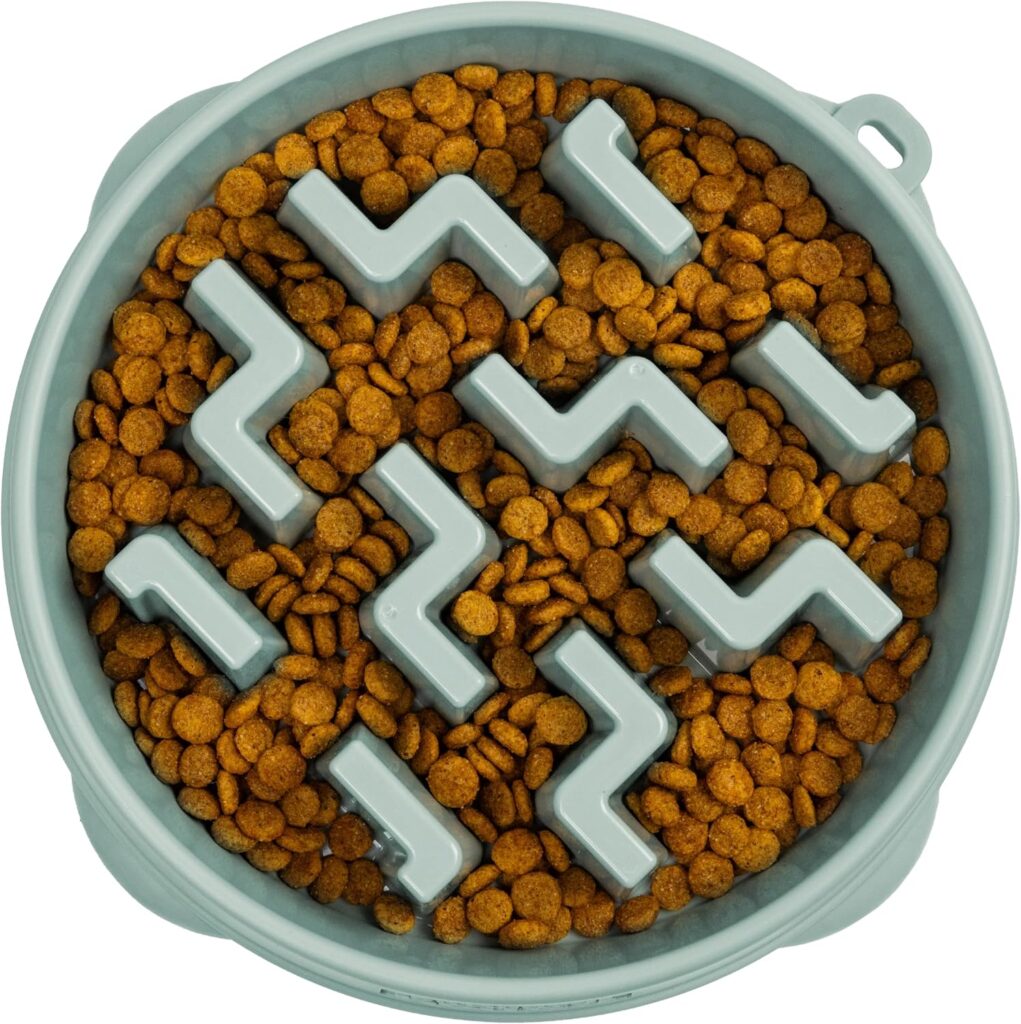
My rescue inhales food in 10 seconds. Will fresh food help? The gobbling is usually an old scarcity habit. A slow-feeder bowl plus scheduled meals retrains it.
What if my vet recommends a prescription diet? Follow your vet. A prescription diet outranks any general guide — including this one.
The Bottom Line
Upgrading their food won’t fix everything. But it’s one of the few changes where you’ll see the payoff in the mirror — a shinier coat, brighter eyes, a dog with spring in their step that wasn’t there on gotcha day.
If you’re ready to make the switch, start with Raw Paws Pet Food’s fresh options — and don’t forget the all-natural treats for all that training ahead. #ad I earn a commission on qualifying purchases, which keeps these guides free for every adopter who needs them.
And if you just brought your rescue home, grab our free First 30 Days guide: https://foundandfearless.shop/first-30-days-with-your-rescue-2/
Found is just the beginning. 🤎